The smart home is becoming less about individual gadgets
The first generation of smart-home technology was often built around individual products: a smart bulb, a connected plug, a camera or a voice assistant. The next phase is more coordinated. In 2026, manufacturers are increasingly combining automation, security, energy information and AI-assisted control into broader systems. Market research continues to point to strong growth in connected-home adoption, while IFA 2026 highlighted products spanning home security, energy and automation. The appeal is straightforward. Instead of asking which app controls a device, the homeowner wants the house to understand routines. Lights should respond to presence, heating should adapt to schedules, security systems should distinguish useful alerts from noise, and energy information should be understandable rather than buried in a graph.
Why a central hub can simplify the experience
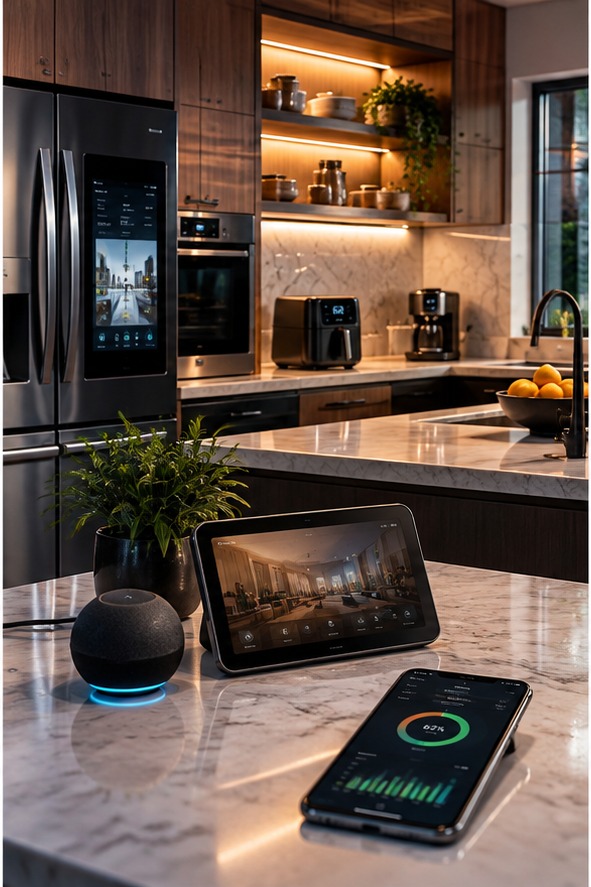
A central controller can act as a translator between devices. It can bring information from sensors and appliances into one interface and coordinate actions across rooms. That can reduce the number of separate apps a household needs to manage. It can also make automation more useful because one event can trigger several responses. For example, leaving home might lock a smart door, adjust lighting and change the heating schedule. The challenge is compatibility. Smart-home standards and ecosystems do not always work perfectly together. Before buying a hub, check which devices it supports and whether the functions you care about work across brands.
AI is useful when it understands context
AI can make automation more natural by interpreting patterns rather than requiring rigid rules. Instead of programming every step, a homeowner might describe a goal and let the system suggest an automation. That could be helpful for energy management. A platform may identify periods of high consumption or recommend schedule changes. It could also reduce notification overload by prioritising events that appear unusual. However, context-aware automation should remain predictable. A house that changes settings without clear explanation can become frustrating. Users should be able to see why an action occurred and override it quickly.
Interoperability is the hidden buying criterion
A smart-home hub is valuable only if it can communicate with the devices you want to keep. Before purchasing, make a list of your existing lights, plugs, cameras, thermostats and appliances. Check whether each device supports the hub's ecosystem or relevant interoperability standards. Also verify whether important features remain available when devices come from different manufacturers. This is especially important for renters. A renter may prefer portable devices that can move to another home, while a homeowner might be willing to invest in built-in systems. The right architecture depends on how permanent the installation will be.
Energy management is becoming a major part of the story
Connected-home technology is increasingly tied to energy use. Smart plugs, thermostats, appliances, solar systems and batteries can generate information about where electricity is being consumed. The value of that information depends on presentation. A graph showing hundreds of readings is less useful than a simple explanation of which devices are driving consumption and when. Homeowners should look for systems that allow schedules, alerts and manual control. Energy automation should also fail safely. If an internet connection disappears, basic heating, lighting and appliance functions should not become unusable.
Security needs the same transparency
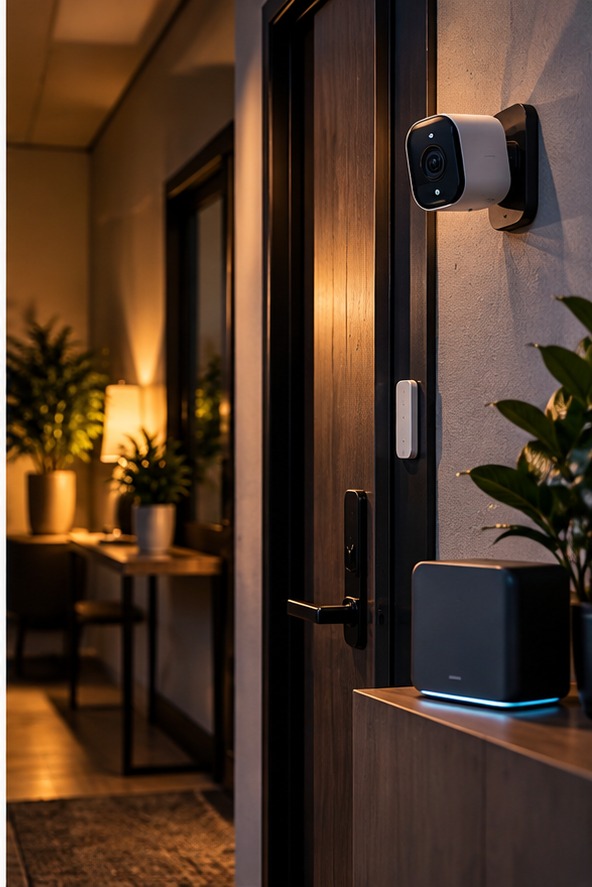
Smart security cameras, door sensors and locks can make a home easier to monitor, but they also collect sensitive information. A camera may capture visitors, family members and neighbours. A smart lock can reveal when people enter and leave. That makes account security and data retention important. Use strong authentication, keep firmware updated and understand who can access recordings. AI detection can reduce false alerts, but it is more useful when treated as context perfect. A system can misidentify objects or people. The safest setup combines automated alerts with sensible physical security rather than relying on a camera alone.
The best smart home is not necessarily the most automated
Automation should solve real problems. If a household has to constantly correct its own smart home, the system has become another chore. Start with a few reliable routines. Lighting, heating, entry security and energy monitoring are common areas where automation can produce tangible benefits. Add complexity only after the basics work consistently. This approach also makes troubleshooting easier. A home with twenty interconnected automations can be difficult to diagnose when one device fails. A smaller number of well-understood routines is often more resilient.
Bottom line
The smart-home market is moving toward systems rather than isolated gadgets. AI can help interpret information, energy tools can reveal waste, and security devices can become more selective about alerts. But good smart-home design is still about reliability and control. Compatibility, privacy, offline behaviour and clear overrides matter just as much as intelligence. Build gradually. Choose devices that work with a common ecosystem, understand how data is handled and automate tasks that genuinely save time. The smartest home is the one that makes daily life simpler rather than turning every appliance into another account to manage.
Think about graceful failure
Every connected home eventually experiences a dead battery, failed router, software update or unavailable cloud service. Good design means ordinary household functions continue even when the smart layer is unavailable. Manual switches, physical keys and local controls still have value. A smart lock should have a reliable fallback method, and lights should not become useless because an account is temporarily unavailable. When comparing products, ask not only what happens when everything works, but what happens when something fails. Resilience is an underrated part of smart-home value.
Start with one useful automation
A sensible first routine might be an evening sequence that turns off selected lights, checks a door sensor and adjusts heating. Once that works reliably, you can add energy monitoring or appliance control. Starting small makes the system easier to understand and reduces the chance of creating complicated routines that conflict with one another. It also makes it easier to identify which devices genuinely improve daily life. Over time, a well-designed hub should become less noticeable, not more. The best automation is often the action you no longer have to think about.
Avoid buying everything at once
A staged approach also protects the budget. Buy the hub and one or two devices, learn the system, and expand only when a real need appears. This avoids filling a home with products that duplicate each other's functions or become unsupported after a few years.