Organic modern decor has become one of the most desirable interior design styles for homeowners who want a space that feels elegant, relaxing, and connected to nature. It combines the clean lines of modern design with natural materials, soft textures, earthy colors, and comfortable furnishings. The final result is a home that looks sophisticated without feeling cold, empty, or overly formal.
Unlike traditional minimalism, which often focuses on sharp edges and sparse rooms, organic modern interior design introduces warmth through wood, stone, linen, wool, clay, and greenery. It values simplicity, but it also celebrates imperfections, handmade details, and natural beauty. If you want to transform your home into a peaceful retreat, this style offers a practical and timeless approach.
What Is Organic Modern Decor?
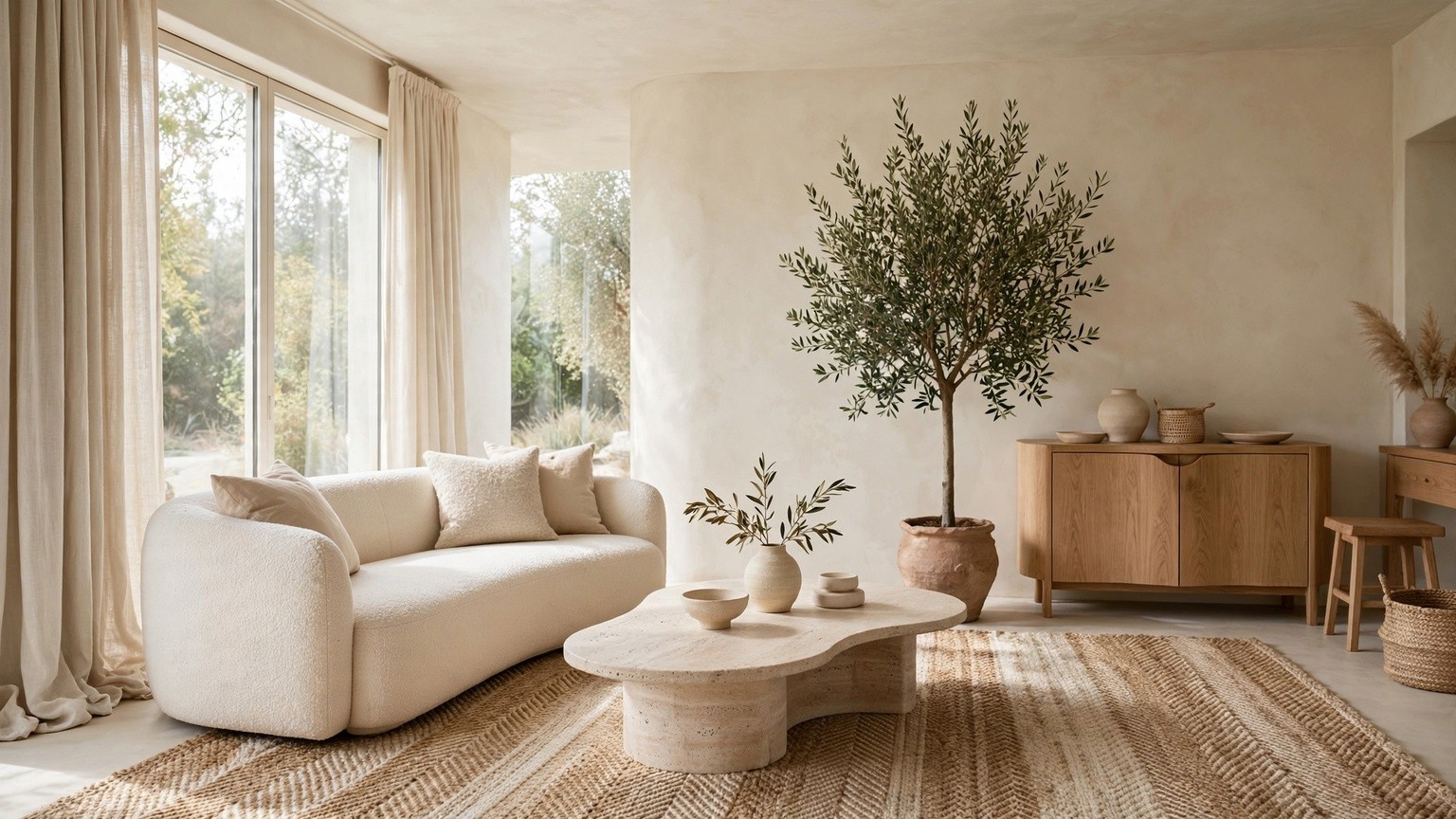
Organic modern decor is a balanced combination of contemporary simplicity and nature-inspired design. The modern element appears through uncluttered layouts, functional furniture, neutral colors, and clean architectural lines. The organic element comes from raw materials, curved shapes, tactile fabrics, natural light, and decorative objects inspired by the outdoors.
A typical organic modern living room might feature a cream-colored sofa, a solid wood coffee table, a textured wool rug, stone accessories, and a large indoor plant. Every item has a purpose, yet the room never feels sterile. Instead, it feels calm, welcoming, and thoughtfully arranged.
The style works well in houses and apartments of all sizes because it does not depend on expensive renovations. Small changes—such as introducing linen curtains, wooden furniture, ceramic vases, or warm neutral paint—can make a noticeable difference.
Choose a Warm, Neutral Color Palette
Color is the foundation of organic modern home decor. Begin with warm neutral shades such as ivory, cream, beige, taupe, sand, mushroom, oatmeal, and soft gray. These colors create a peaceful background and help natural textures stand out.
Avoid relying too heavily on bright white, which can make a room feel clinical. Warmer off-white shades reflect light while maintaining a cozy atmosphere. For contrast, add muted colors inspired by nature, including olive green, terracotta, rust, charcoal, clay, and deep brown.
The most successful neutral interiors use several tones rather than one flat color. For example, pair cream walls with a beige sofa, caramel leather accents, a walnut table, and an ivory rug. This layered approach adds visual depth while preserving the calm, minimalist appearance associated with organic modern design.
Use Natural Materials Throughout the Home
Natural materials are essential to the organic modern aesthetic. Wood is especially important because its grain, color variations, and texture bring warmth to streamlined spaces. Oak, walnut, teak, mango wood, and reclaimed timber can be used for flooring, cabinets, tables, shelves, and decorative accents.
Stone is another valuable material. Marble, limestone, travertine, granite, and soapstone can add character through countertops, side tables, fireplaces, lamps, and accessories. Instead of searching for perfectly uniform surfaces, embrace subtle variations and imperfections. These details make each room feel authentic.
Other excellent materials include rattan, bamboo, jute, seagrass, cork, clay, and handwoven fibers. A jute rug, woven pendant light, or terracotta planter can soften modern furniture and give the room an earthy, relaxed quality.
Layer Soft and Tactile Textures
A neutral room needs texture to prevent it from looking unfinished. Organic modern decor uses tactile materials to create comfort and dimension without adding unnecessary clutter.
Choose linen or cotton curtains, wool rugs, boucle chairs, knitted throws, and cushions made from natural fabrics. Mix smooth surfaces with rough or woven finishes. For instance, place a soft upholstered chair beside a raw wood table, or combine a sleek stone countertop with handmade ceramic bowls.
Texture can also be introduced through walls. Limewash paint, plaster finishes, wood paneling, and natural stone create gentle movement and depth. Even when the color palette remains simple, these surfaces ensure that the room feels visually interesting.
Select Furniture with Clean Lines and Curved Forms
Organic modern furniture should feel simple, functional, and comfortable. Look for pieces with clean profiles, low silhouettes, and minimal ornamentation. However, not every item needs to be straight or angular. Curved sofas, rounded armchairs, oval dining tables, and circular mirrors bring softness to the room.
This combination of structure and movement is one of the defining features of modern organic style. A rectangular wooden console may sit beneath an irregularly shaped mirror, while a streamlined sofa can be paired with a sculptural coffee table.
Quality is more important than quantity. Instead of filling a room with many small pieces, invest in fewer items that offer comfort, durability, and visual impact. Leave enough open space around furniture so the room feels breathable and easy to navigate.
Bring Nature Indoors with Greenery
Indoor plants instantly enhance organic modern interiors. Their natural shapes and vibrant green tones provide contrast against beige, cream, and brown backgrounds. Popular options include olive trees, fiddle-leaf figs, rubber plants, snake plants, pothos, and monstera.
Choose plants according to your home’s lighting conditions and your ability to care for them. One large statement plant often creates more impact than numerous small pots. Place it in a simple clay, stone, or woven planter to reinforce the natural theme.
You can also decorate with branches, dried grasses, moss, or fresh seasonal flowers. Keep arrangements loose and sculptural rather than overly polished. The objective is to reflect nature’s effortless, imperfect beauty.
Maximize Natural Light
Natural light is a major element of organic modern interior design. Keep windows open and unobstructed whenever possible. Replace heavy curtains with lightweight linen panels, cotton shades, or simple blinds that allow sunlight to filter into the room.
Mirrors can help distribute light in small or dark spaces. Position a large mirror opposite or near a window to make the room feel more spacious. Choose a wooden, metal, or frameless design that complements the understated aesthetic.
For evening lighting, create a warm atmosphere through multiple light sources. Combine ceiling fixtures with floor lamps, table lamps, and wall sconces. Select warm-colored bulbs instead of harsh blue-white lighting. Woven pendants, ceramic lamps, and paper lanterns are excellent choices because they add texture as well as illumination.
Keep Accessories Intentional
Organic modern decor follows a “less but better” philosophy. Rather than displaying many decorative items, select a small number of meaningful pieces. Handmade pottery, sculptural bowls, stone objects, wooden trays, woven baskets, and large-format artwork can add personality without creating visual noise.
Group accessories in odd numbers and vary their heights to create balanced displays. A console table might feature a ceramic lamp, a shallow bowl, and one irregular branch in a tall vase. Coffee-table styling can be as simple as two books, a candle, and a small natural object.
Storage also matters. Use closed cabinets to hide everyday clutter and woven baskets to organize blankets, toys, magazines, or electronics. A tidy room allows the materials, shapes, and craftsmanship to become the focus.
Design an Organic Modern Living Room
For an organic modern living room, begin with a comfortable sofa in cream, beige, or light gray. Add a textured area rug and a solid wood or stone coffee table. Introduce one or two sculptural chairs, then complete the space with linen cushions, a soft throw, and a tall plant.
Avoid purchasing a matching furniture set. A thoughtful mix of materials creates a more collected and natural appearance. For example, combine a walnut media cabinet with an oak side table and a travertine coffee table. The finishes do not need to match perfectly, but they should share similar warm undertones.
Keep wall decor simple. One oversized abstract painting, a textured textile, or a large organic-shaped mirror may be enough to anchor the room.
Create a Peaceful Organic Modern Bedroom
An organic modern bedroom should promote relaxation. Choose a low-profile bed with an upholstered, wooden, or woven headboard. Dress it with breathable cotton or linen bedding in layered neutral tones. Add warmth through a wool rug, wooden nightstands, and ceramic bedside lamps.
Keep patterns subtle and use texture instead of bold prints. A quilt, boucle bench, or woven blanket can add character while maintaining a restful atmosphere. Blackout shades may be layered behind sheer linen curtains for comfort and privacy.
Reduce clutter by using practical storage, and limit decorative accessories to a few calming pieces. Soft lighting, natural scents, and minimal electronics can make the bedroom feel like a private wellness retreat.
Sustainable Organic Modern Design
Sustainability naturally complements this aesthetic. Look for vintage furniture, responsibly sourced wood, organic fabrics, recycled materials, and locally made accessories. Reusing a quality table or refinishing an old cabinet can reduce waste while giving your home greater individuality.
Avoid fast furniture when possible. Choose durable pieces that can age gracefully and remain useful for years. Natural materials often develop a beautiful patina, making them more attractive over time.
You do not need to redesign your home at once. Shop slowly, prioritize craftsmanship, and select items that genuinely support your needs. This mindful approach creates a space that feels personal rather than trend-driven.
Final Thoughts
Organic modern decor offers the perfect balance between contemporary elegance and natural comfort. By combining warm neutral colors, sustainable materials, layered textures, curved furniture, indoor plants, and intentional accessories, you can create a home that feels calm, inviting, and timeless.
The key is not perfection. Allow wood grain, stone variations, handmade ceramics, and natural fabrics to display their unique character. Keep rooms uncluttered, but never sacrifice comfort. With thoughtful choices and a connection to nature, the organic modern style can transform any interior into a peaceful sanctuary.