Disclosure: This article contains an affiliate link. The publisher may earn a commission from qualifying purchases at no additional cost to the buyer. Product contents, seed varieties, price, guarantees, and availability can change, so verify all details on the official sales page before ordering.
Explore the Medicinal Seed Kit
Check the current kit contents, seed varieties, availability and ordering details on the official sales page.
Why the Medicinal Seed Kit Is Attracting Attention
Interest in self-sufficient living has grown rapidly. More people want to cultivate useful plants at home, reduce their dependence on store-bought products, and learn traditional gardening skills. The Medicinal Seed Kit is designed for that audience, offering a convenient way to begin growing a selection of herbs commonly associated with traditional household gardens.
Unlike purchasing individual seed packets from several suppliers, an all-in-one herbal seed kit can simplify the planning process. It may introduce beginners to multiple plant varieties while giving experienced gardeners a compact addition to an existing garden.
The concept is straightforward: plant the seeds, care for the seedlings, harvest mature herbs, and learn how each plant has traditionally been used. It is not a shortcut to instant remedies, and seeds require suitable growing conditions, patience, and proper identification. Nevertheless, a curated seed collection may be an engaging starting point for anyone interested in gardening, preparedness, or herbal traditions.
What Is the Medicinal Seed Kit?
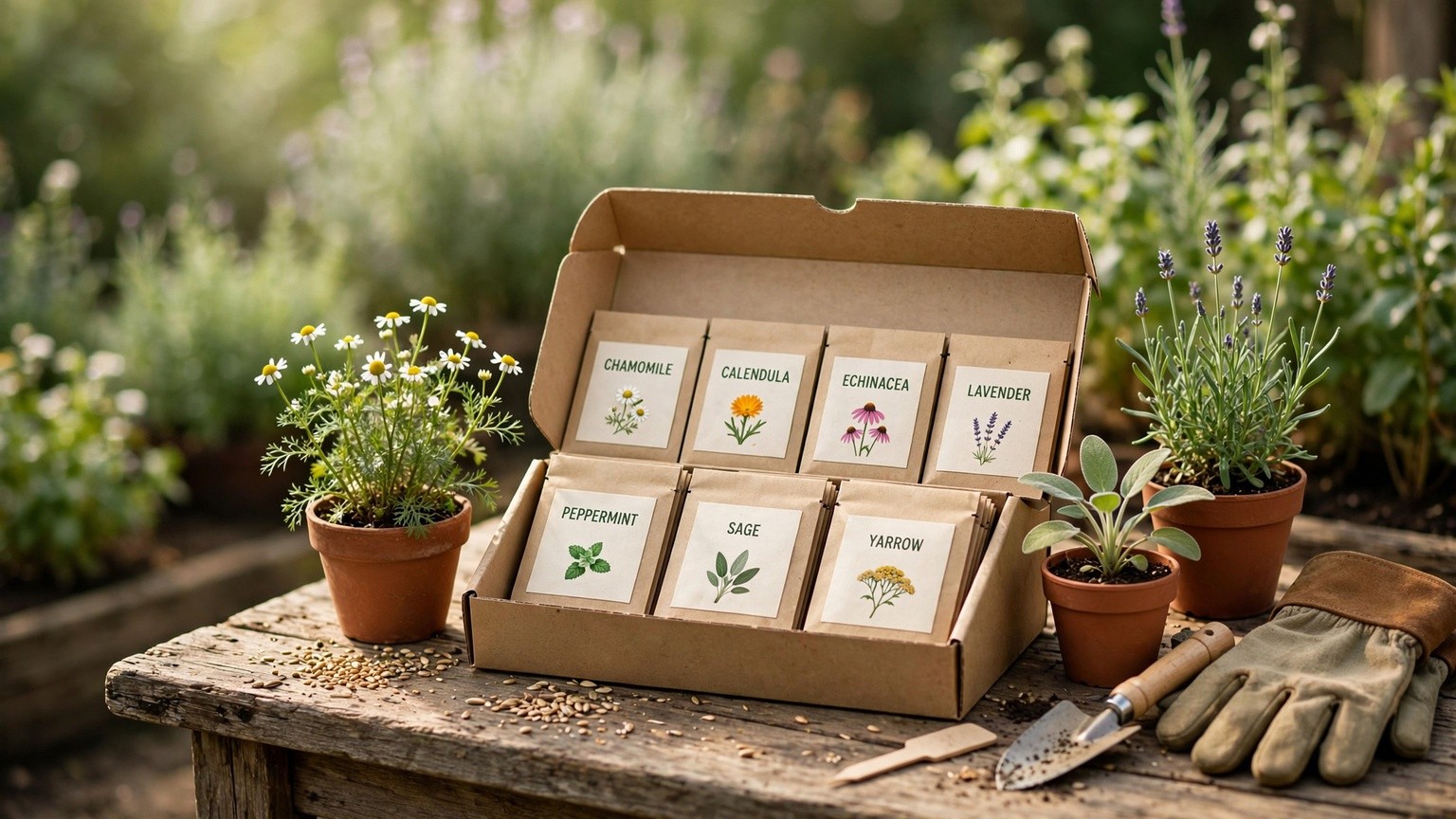
A medicinal seed kit is a packaged assortment of medicinal herb seeds selected for home cultivation. Depending on the current offer, it may contain seeds for culinary herbs, aromatic plants, flowering herbs, or species with a history of traditional use.
The exact varieties and quantities should always be confirmed on the seller’s official product page. Buyers should also check whether the seeds are described as heirloom, open-pollinated, organic, or non-GMO. These terms are not interchangeable:
- Heirloom seeds generally refer to varieties maintained across generations.
- Open-pollinated seeds can often produce plants whose saved seeds grow true to type, provided cross-pollination is controlled.
- Organic seeds must meet applicable organic certification requirements.
- Non-GMO seeds are not genetically engineered, but that does not automatically mean they are organic.
Understanding these distinctions can prevent confusion when comparing a medicinal plant seed kit with conventional garden seeds.
Check the Medicinal Seed Kit
Product contents, varieties, pricing and availability can change. Review the current official offer before ordering.
Who Is This Herbal Seed Kit For?
The Medicinal Seed Kit may appeal to several types of gardeners. Beginners may appreciate having multiple seeds organized in one package.
Homesteaders may use the collection to diversify a kitchen or pollinator garden. Preparedness-focused households may regard viable seeds and gardening knowledge as useful long-term resources.
It could be suitable for:
- Home gardeners interested in useful herbs
- Homesteading and self-sufficiency enthusiasts
- People building a kitchen herb garden
- Gardeners who want to attract pollinators
- Families learning seed-starting skills
- Preparedness planners seeking a survival seed kit
- Anyone interested in traditional herbal gardening
Not every plant will thrive in every region. Climate, soil, frost dates, rainfall, humidity, and available sunlight must be considered before planting.
Potential Advantages of Growing Medicinal Herbs
Greater Control Over Cultivation
Growing herbs at home allows gardeners to choose the soil, fertilizer, watering schedule, and pest-management method. This can provide more transparency than buying unidentified dried plant material from an unknown source.
However, homegrown does not automatically mean safe. Correct species identification, clean harvesting tools, proper drying, and contamination-free storage remain essential.
Fresh Herbs Close to Home
A productive home herbal garden can provide fresh leaves, flowers, or seeds during the growing season. Many plants also have ornamental, aromatic, or culinary value, even when they are not used for health purposes.
Freshness is one of the strongest reasons to grow herbs. Gardeners can harvest only what they need and observe the plant throughout its life cycle.
Learning and Self-Reliance
A seed kit is also an educational product. Germinating seeds, transplanting seedlings, managing pests, and saving seed require practical skills. Those lessons can be more valuable than the packets themselves.
For families, an herb garden can introduce children to botany, ecology, pollinators, and food production. All handling should be supervised because some plants or plant parts may be inappropriate for children and pets.
Potential Seed Saving
If the kit contains open-pollinated varieties, gardeners may be able to save seeds from healthy mature plants for future seasons. Seed saving is not guaranteed to produce identical results if related varieties cross-pollinate, and some plants are biennial or require special handling.
Stored seeds should be kept dry, cool, dark, and clearly labeled. Their viability declines over time at different rates depending on the species and storage conditions.
How to Grow a Medicinal Herb Garden Successfully
A successful medicinal herb garden begins before the first seed is planted. Read the instructions for each species rather than treating every packet the same.
Some seeds germinate easily in warm soil. Others benefit from cold stratification, soaking, light exposure, or surface sowing. Planting too deeply is a common cause of failure, especially for tiny seeds.
Use these basic steps:
- Review the seed packets. Identify germination requirements, plant size, spacing, and time to maturity.
- Check your growing zone. Determine the local frost dates and whether each plant is annual, biennial, or perennial in your climate.
- Choose clean seed-starting mix. Heavy outdoor soil may compact in trays and increase disease risk.
- Provide consistent moisture. Keep the medium damp, not waterlogged.
- Supply enough light. Weak light creates stretched, fragile seedlings.
- Harden off indoor seedlings. Gradually expose plants to outdoor sun, wind, and temperature changes.
- Label everything. Many seedlings look similar during early growth.
- Research mature size. Some herbs spread aggressively or become tall and wide.
Gardeners with limited space can grow certain compact herbs in containers. Pots must have drainage holes, and the container size should match the mature root system.
Harvesting, Drying, and Storing Herbs
Harvest timing depends on the plant and the desired part. Leaves are often collected before flowering, while flowers must be gathered when freshly open. Roots are typically harvested only after sufficient development. These are general patterns, not universal rules.
Only harvest plants that have been positively identified. Avoid material exposed to pesticides, roadside pollution, pet waste, mold, or standing water.
After harvesting, remove damaged material and follow species-appropriate drying instructions. Herbs should be thoroughly dry before storage because retained moisture encourages mold. Store dried material in clean, labeled, airtight containers away from heat, humidity, and direct sunlight.
Each label should include:
- Common and botanical name
- Plant part
- Harvest date
- Growing location
- Any relevant processing notes
Discard anything with an unusual odor, visible mold, insect contamination, or uncertain identity.
Important Safety Information
The term “medicinal” can be misleading if it suggests that plants are automatically safe or clinically proven to treat disease. Traditional use is not the same as established medical effectiveness.
Herbs may cause allergies, side effects, or interactions with prescription and over-the-counter medications. Risks may be higher for pregnant or breastfeeding people, children, older adults, individuals awaiting surgery, and those with liver, kidney, bleeding, blood-pressure, or blood-sugar conditions.
Never consume an herb solely because it appeared in a seed assortment. Confirm the botanical species and consult a qualified healthcare professional or pharmacist before using any plant internally. A medicinal seed kit is not a substitute for diagnosis, prescribed treatment, or emergency medical care.
Gardeners should also check local regulations. Some species can be invasive, restricted, or unsuitable for cultivation in particular areas.
What to Check Before Buying
Before purchasing the Medicinal Seed Kit, evaluate the offer carefully. Marketing language should not replace verifiable product information.
Check for:
- A complete list of seed varieties
- Botanical names for each plant
- Seed quantity or weight
- Packing or germination-test dates
- Storage recommendations
- Germination and cultivation instructions
- Seller contact information
- Shipping restrictions and estimated delivery
- Refund or replacement terms
- Verified claims regarding organic, heirloom, or non-GMO status
Also compare the total price with the cost of buying equivalent packets from a reputable seed supplier. Convenience and educational materials may add value, but buyers should know what they are paying for.
Ready to review the current kit?
Confirm the current contents, claims, price, shipping terms and refund policy before you order.
Is the Medicinal Seed Kit Worth It?
The Medicinal Seed Kit may be worthwhile for people who want a convenient introduction to medicinal plants to grow at home. Its practical value will depend on seed freshness, variety selection, instructions, climate suitability, and the gardener’s willingness to care for the plants.
It is less suitable for anyone expecting immediate results or guaranteed medical benefits. Seeds are living materials, and germination is affected by age, storage, temperature, moisture, planting depth, and soil conditions. Even high-quality seeds can fail when their requirements are not met.
The best way to approach this product is as a gardening and educational resource. Start with a few varieties, keep notes, and improve your techniques each season.
Final Verdict
A thoughtfully assembled Medicinal Seed Kit can make it easier to start a diverse home herb garden. It may help beginners explore seed starting, give homesteaders additional plant varieties, and provide preparedness enthusiasts with a practical project that develops real skills.
The product’s value ultimately depends on transparent labeling and reliable seed quality. Verify the current contents, claims, price, shipping terms, and refund policy before ordering. Most importantly, distinguish between growing plants for education or tradition and using them for medical purposes.
With responsible research, careful cultivation, and realistic expectations, an herbal seed kit can become the foundation of a rewarding garden—one that supports learning, pollinators, household creativity, and a deeper connection with the plants growing just outside your door.
For general information about herbal products and potential herb–medicine interactions, see the U.S. National Center for Complementary and Integrative Health (NCCIH). Herbal products can interact with medicines, and safety information varies by herb and product.