A smartwatch that is becoming more health-focused
Apple's 2026 Apple Watch Series 12 arrives as wearable makers compete not only on screens and battery life, but on how intelligently a device interprets the signals it collects. Apple says Series 12 introduces an all-new Health Sensing System, combining new optical and electrical heart sensors with the S11 chip for continuous health monitoring. That matters because modern fitness wearables are moving beyond simple activity logs. A step count is easy to understand, but a broader picture can involve heart-rate trends, sleep, workout load and the way those variables interact over time. Apple is now positioning the watch as an intelligent layer between raw sensor data and everyday decisions. The key distinction for buyers is between measurement and interpretation. Sensors collect signals. Software decides what those signals may mean. That second stage is where much of the practical value—and much of the uncertainty—lives.
What the new sensing approach changes
Apple describes the Series 12 as providing more continuous, high-fidelity health monitoring. Its updated optical and electrical heart sensors are intended to provide a richer stream of cardiovascular data, while the new processing hardware supports the watch's broader intelligent features. For a regular user, the benefit is less about watching individual sensor readings and more about having a larger record from which patterns can emerge. Someone who exercises several times a week can sometimes reveal how sleep, heart-rate trends and training interact. A person who walks daily can use the same system without turning every activity into a formal workout. That broader accessibility is important. Fitness technology often becomes difficult when it produces too many metrics without explaining how to use them. The strongest consumer experience is one that keeps the detailed information available but presents the everyday view in a way that does not require a sports-science background.
Readiness brings recovery into the conversation
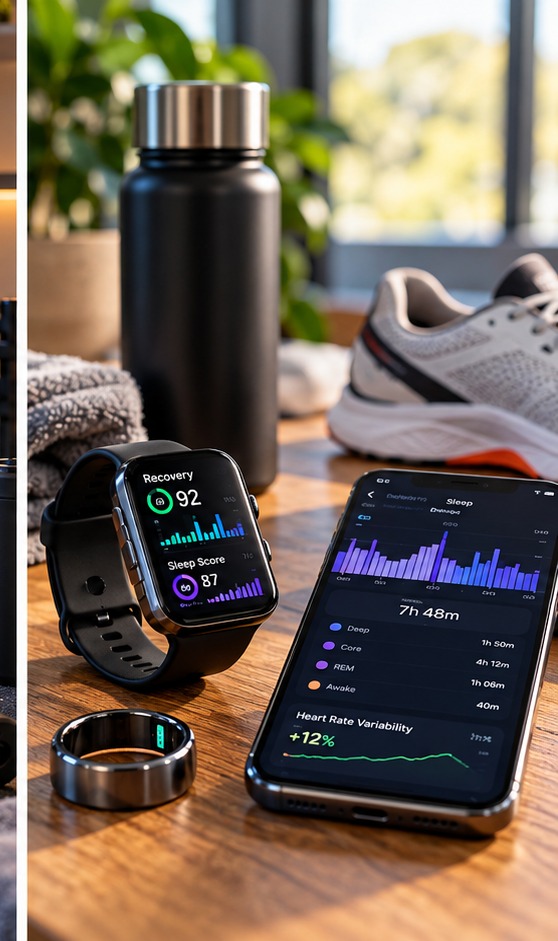
One of the more interesting developments in Apple's 2026 software is Readiness, which uses health and activity information to help users think about the day ahead. Reporting on the feature describes a score that incorporates signals such as sleep patterns, heart-rate variability and workout intensity. A readiness score can be useful because it reframes training as a balance rather than a constant push. If sleep has been poor and recent exercise has been demanding, the dashboard may provide a reason to choose a lighter session. If recovery indicators are stable, a user may feel more comfortable following the planned workout. Still, the number should remain a guide. A score cannot capture every relevant factor, including life stress, nutrition, pain, illness or how an individual actually feels. It should complement judgement rather than replace it.
Why continuous data can matter more than isolated readings
Fitness progress rarely follows a straight line. Heart rate, sleep and training response can move up and down from one day to the next. A wearable that remains on the wrist can build a longer record, making it easier to see whether a change is temporary or part of a sustained pattern. This is where the Series 12 approach can be more interesting than a single new sensor. A sensor only captures information at a particular moment; a platform can place that measurement alongside weeks of previous data. The result can help users recognise relationships that are otherwise easy to miss. There is still a need for caution. Trends are not diagnoses, and unusual readings should not be interpreted in isolation. If health concerns arise, professional medical advice is more appropriate than relying on a consumer dashboard.
Where the Series 12 fits for different users
For casual users, the attraction is integration. A watch can combine everyday notifications, exercise tracking, sleep information and health features in one device. There is no need to carry a separate screen for most basic activities. For recreational athletes, the appeal is the same consolidation. Runs, walks, gym sessions and recovery can sit within one ecosystem. The trade-off is that specialist athletes may still want dedicated equipment with deeper training tools, longer endurance or more focused metrics. For buyers primarily interested in health monitoring, the important question is whether the new features are meaningful to their routine. More sensors do not automatically create more useful information. A person who will never examine long-term trends may gain less than someone who actively uses the data to adjust sleep, exercise and recovery habits.
What buyers should check before upgrading
Do not upgrade purely because the sensor list is longer. Look at the features you already use and identify what is genuinely missing. If your current watch already tracks the workouts and notifications you care about, a new health feature may be a convenience rather than a necessity. Battery habits matter too. Continuous health monitoring is only useful if the device spends enough time on your wrist. Before buying, consider when you normally charge and whether that routine leaves gaps in overnight or daytime measurements. Compatibility and ecosystem lock-in are also worth considering. The watch's value is closely tied to the phone and services around it. Buyers already invested in Apple's ecosystem may get more benefit from the integration than someone who is primarily using another platform.
Bottom line
The Series 12 reflects a wider shift in wearable computing: the interesting product is increasingly the system that interprets data, not merely the hardware that collects it. Apple's new sensing hardware and fitness intelligence give the watch a stronger emphasis on continuous health context. That does not turn a smartwatch into a medical device or a perfect coach. The useful approach is to treat the information as structured feedback. Look for patterns, compare them with how you actually feel and use the insights to support sensible routines. For people already living in the Apple ecosystem, Series 12 is particularly interesting because health, fitness and everyday computing remain connected. The most meaningful benefit will come from consistent use rather than from any single headline feature.
The practical upgrade test
A simple way to judge the Series 12 is to write down three features you want before looking at the marketing material. Perhaps you want better overnight tracking, more useful training guidance or a more complete health dashboard. Then check whether the new model materially addresses those needs. This prevents feature overload from driving the purchase. New technology often sounds valuable because the specification sheet is longer, but the right upgrade is the one that changes your daily experience. Also consider whether your current watch is still receiving the software features you need. A device that remains supported may continue to deliver much of the same practical value without requiring immediate replacement.