The connected home gym is changing again
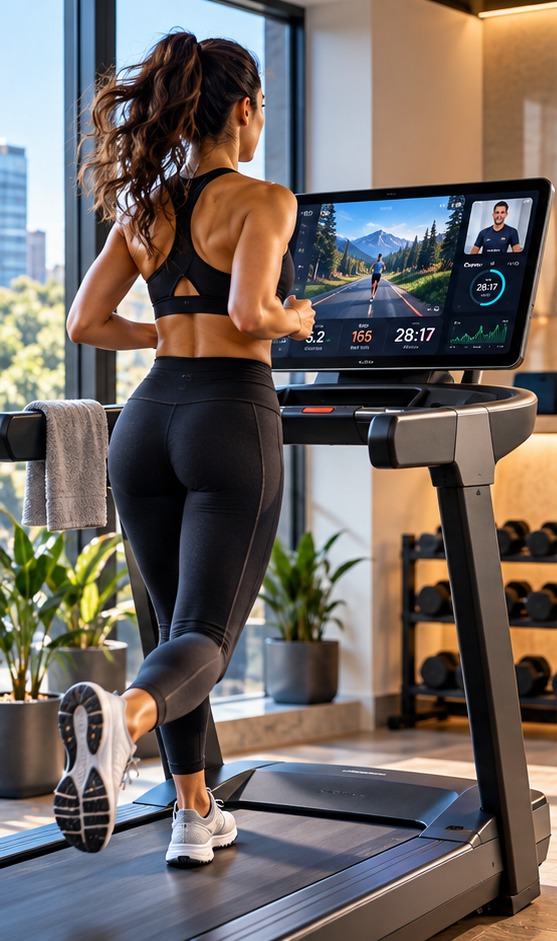
Home fitness technology has spent the last several years moving from simple exercise equipment toward connected systems. In 2026, the next step is the use of AI-assisted coaching, adaptive workouts and richer sensor data. Peloton's latest treadmill expansion is one example. Reporting on the company's 2026 lineup says it is adding three treadmills, including the foldable Tread Flex, while its Peloton IQ software uses AI-powered coaching tools to analyse running information such as cadence, vertical oscillation and stride length. At IFA 2026, other fitness technology also drew attention, including compact equipment, wearables and consumer exoskeleton concepts. The important question is not whether AI sounds impressive. It is whether the technology removes friction from training or simply adds another layer of subscription software.
Where AI coaching can be genuinely useful
A useful digital coach can help with routine, progression and feedback. Instead of choosing a workout from a large catalogue every time, software can use recent activity to suggest a session that fits a user's goals. For running, additional measurements can help explain why a workout feels different from another. Cadence, pace and stride-related data can show changes that are difficult to notice in the moment. When presented clearly, those signals can help a user understand technique and workload. The strongest applications are usually small decisions. How hard should today's session be? Should the next interval be faster? Has training volume increased too quickly? These are areas where timely feedback can outperform a giant library of workouts.
The limitations are just as important
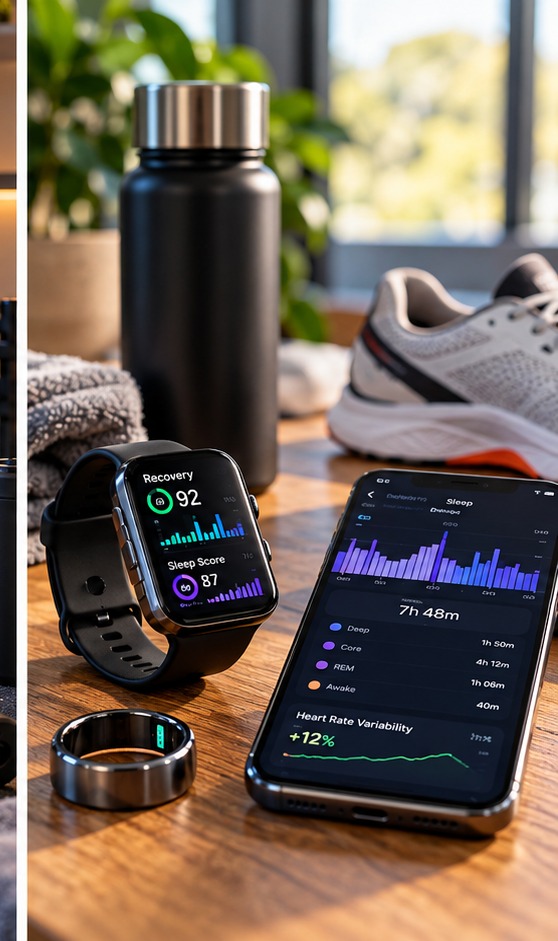
AI cannot see everything that affects performance. A training system may know how fast you ran and how your heart responded, but it may not know that you slept badly because of a stressful day or that a minor injury is developing. That is why adaptive coaching should be treated as an assistant rather than an authority. Automated recommendations are generated from available data and programmed assumptions. If the underlying information is incomplete, the recommendation can be incomplete too. There is also the question of motivation. Some users enjoy gamification, rankings and automated goals. Others find constant scoring exhausting. The best connected equipment is therefore not necessarily the one with the most intelligence; it is the one whose feedback style matches the person using it.
Form correction and feedback loops
One promising use of connected equipment is helping users notice movement patterns. Cameras, motion sensors and workout metrics can provide feedback that is difficult to obtain when training alone. That can be especially useful for beginners who are still learning basic technique. A system might highlight tempo, repetition consistency or running form. But the quality of the feedback depends on the hardware, software and exercise being analysed. A computer vision system is not automatically an expert coach. The safest approach is to use automated feedback for awareness and repetition, while learning technique from qualified instruction when the movement is complex or the consequences of poor form are significant.
Hardware still matters
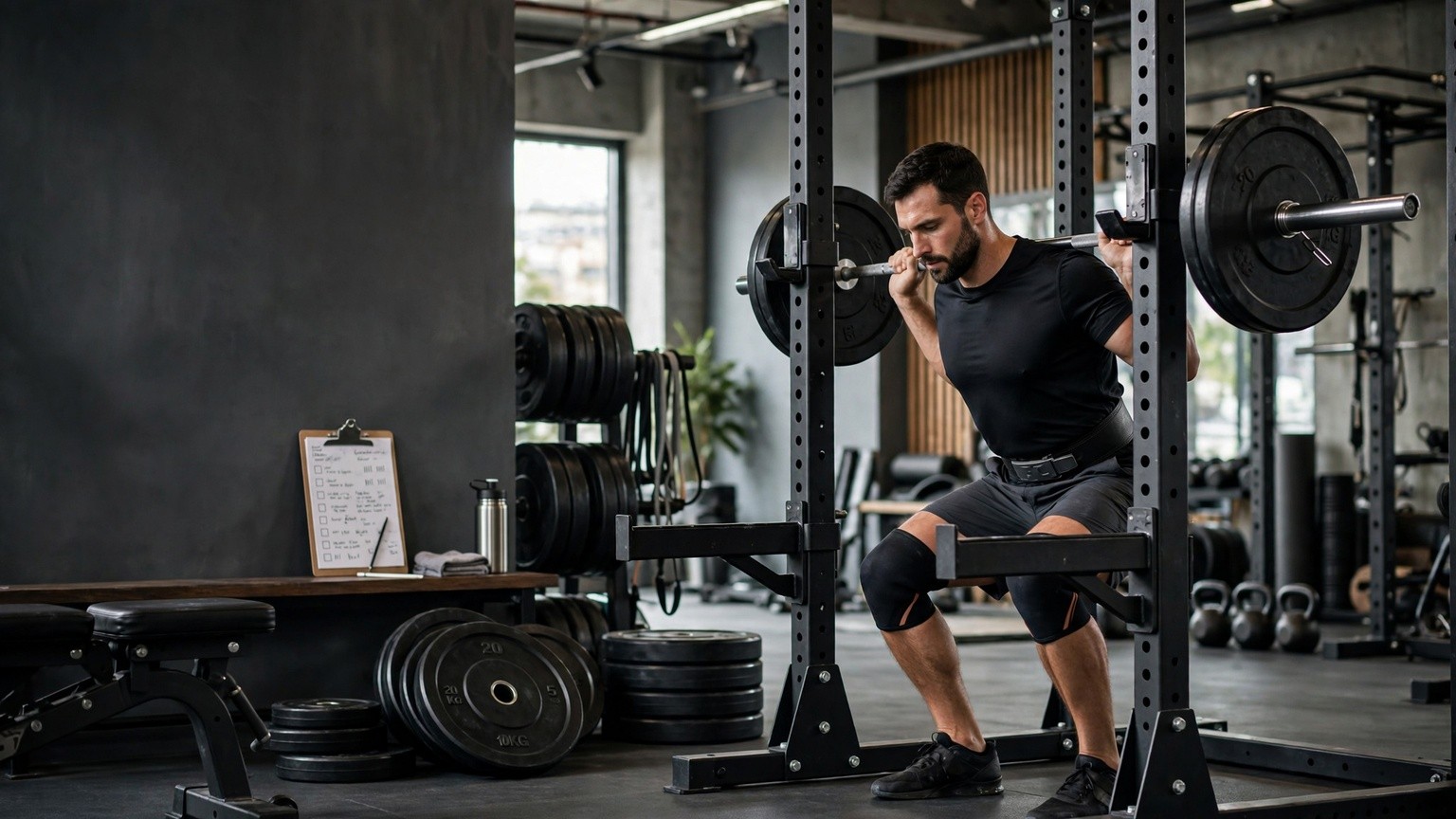
AI cannot compensate for poor mechanical design. A treadmill needs a stable running surface, sensible controls, usable cushioning and a motor appropriate for the intended workload. A strength platform needs reliable resistance and safe movement. A bike needs an appropriate fit range. A similar point applies to screens and cameras. A beautiful display can improve the experience, but it does not make a workout more effective by itself. Buyers should separate the physical equipment from the digital layer and evaluate both. Noise is another practical concern for home users. A machine that is technically impressive but too loud for an apartment can quickly become an expensive clothes rack. Measure the available space, consider neighbours and check storage requirements before ordering.
Subscriptions and long-term costs
Connected fitness equipment can hide a significant recurring expense. The purchase price is merely one element in the equation when classes, advanced analytics or AI coaching require a monthly membership. Create a three-year ownership estimate before buying. Include the equipment, subscription, accessories, delivery and any likely replacement items. Then ask which features disappear if the subscription is cancelled. A good system should retain useful basic functionality even if you stop paying for premium services. If the machine becomes dramatically less useful without a subscription, that dependency should be part of the buying decision.
Bottom line
AI is making home fitness equipment more responsive, but it is not eliminating the fundamentals of good training. A well-designed machine, sensible progression, adequate recovery and consistent habits remain more important than flashy automation. The best use of AI is to reduce decision fatigue and turn raw measurements into understandable feedback. It should make a workout easier to plan and review, not make the user feel that every session needs a computer-generated score. For people who enjoy connected training, 2026 is an interesting year to shop. Just compare the physical machine, software features, privacy terms and subscription cost together rather than buying the AI label alone.
Privacy deserves a place on the shopping list
Connected fitness equipment can collect more than traditional gym machines. Cameras, microphones, body metrics, workout history and account information may all become part of the platform. Read the privacy policy before buying equipment with always-connected sensors. Find out whether video is processed locally or uploaded, how long recordings are retained and whether data can be deleted. A treadmill does not need to become a surveillance device simply because it has a screen. A similar point applies to children and shared households. A device used by several people should make account controls and profile separation straightforward.
What a good buying checklist looks like
Before paying for connected equipment, confirm maximum user weight, machine dimensions, noise levels, warranty coverage, service availability and software requirements. Check whether the display can be used for ordinary media or whether it is tied entirely to the manufacturer's platform. For apartments and smaller rooms, folding mechanisms and transport wheels can shape the experience more strongly than a larger screen. For serious runners, deck size and motor performance may be more important than coaching animations. Matching the machine to the actual workout is the most reliable way to avoid paying for features that will rarely be used. Also verify return and delivery terms, because large equipment is harder to replace than a small wearable. A clear support pathway can matter as much as a polished app when something eventually needs attention.