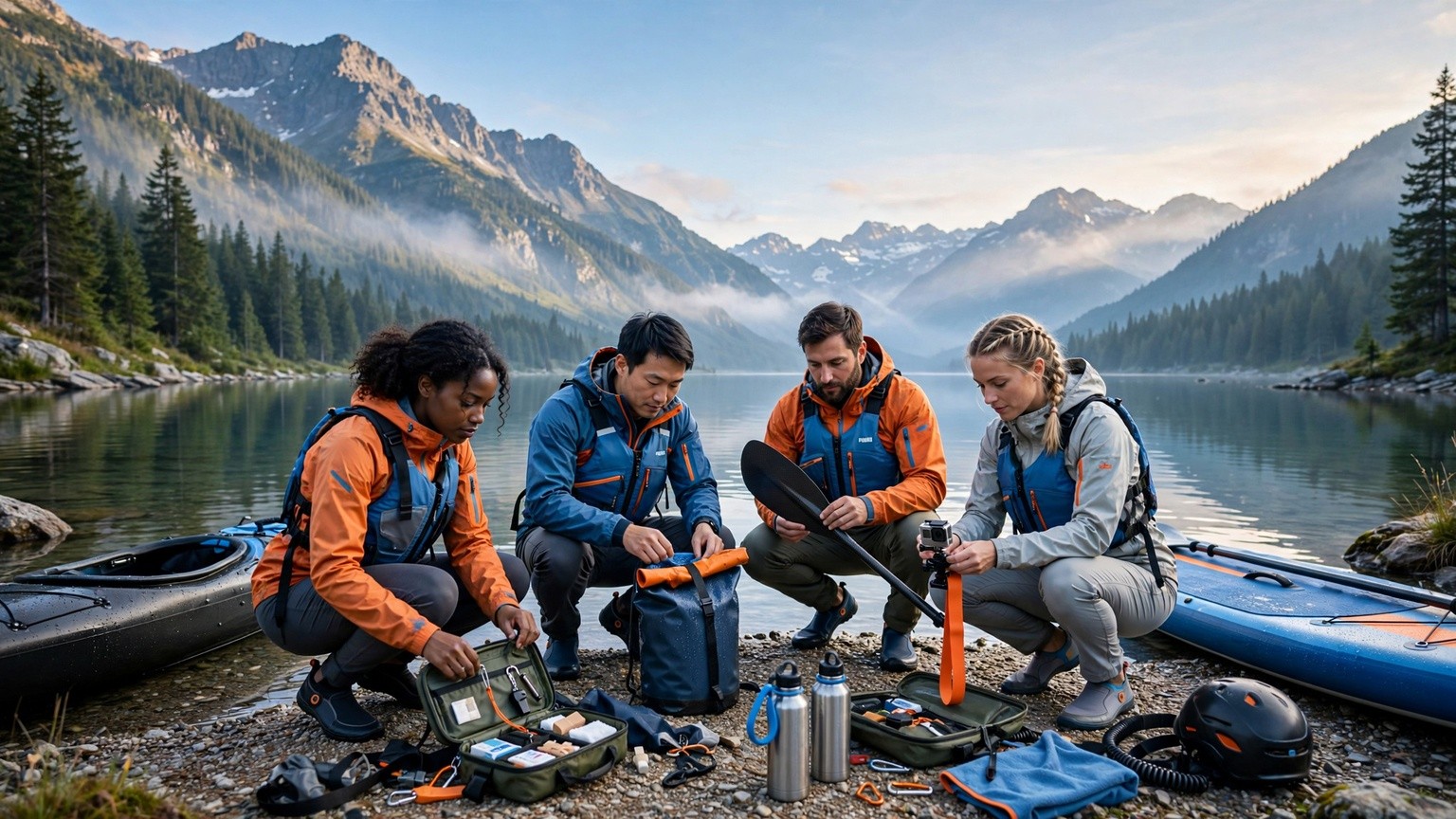
Water-based adventures can be exciting, challenging, and unpredictable. From navigating a quiet lake by kayak to tackling ocean waves or hiking along a rain-soaked coastline, every activity requires equipment capable of performing in wet conditions. Standard outdoor products may absorb water, corrode, lose traction, or fail when exposed to moisture, salt, and sand.
That is why water-ready action gear matters. Today’s equipment combines waterproof construction, quick-drying fabrics, secure storage, and activity-specific safety features. Choosing the right products can improve comfort and organization while helping you prepare for changing weather and challenging environments.
What Does Water-Ready Action Gear Include?
Water-ready action gear is a broad category covering clothing, footwear, flotation devices, waterproof storage, safety tools, and durable technology. These products are designed for activities such as:
- Kayaking and canoeing
- Stand-up paddleboarding
- Surfing and bodyboarding
- Sailing and recreational boating
- Snorkeling and open-water swimming
- Fishing and coastal hiking
- Whitewater rafting
- Canyoning and river exploration
The terms “water-resistant” and “waterproof” are not interchangeable. Water-resistant equipment may withstand light rain or occasional splashes, while waterproof products are designed to provide stronger protection under specified conditions.
Always read the manufacturer’s instructions. A waterproof phone case rated for shallow immersion may not be suitable for diving, and a splash-resistant backpack may not protect electronics during a capsize.
Put Personal Safety First
A suitable personal flotation device, commonly known as a PFD, is one of the most important pieces of water sports safety gear. It should be selected according to the activity, the user’s size, local regulations, and expected water conditions.
Paddling PFDs usually have large arm openings to allow an unrestricted stroke. Whitewater models may offer a more secure fit and specialized features, while boating designs can have different buoyancy and construction requirements.
A PFD must fit correctly. Fasten every strap and adjust the device so it feels secure without restricting breathing. When lifted at the shoulders, it should not slide significantly upward. Inspect buckles, webbing, seams, and flotation material before use.
Even confident swimmers should wear appropriate flotation equipment where recommended or required. Cold-water shock, strong currents, injuries, fatigue, and sudden weather changes can affect anyone.
Dress for the Water, Not Just the Weather
Air temperature can be misleading. A sunny afternoon does not necessarily mean the water is warm enough for ordinary clothing. Your apparel should reflect the water temperature, wind, activity level, and duration of exposure.
Quick-drying synthetic fabrics, including nylon and polyester, are popular for water-based activities. They absorb less moisture than cotton and generally dry faster. Merino wool may also be helpful in cooler environments because it can provide insulation when damp.
Cotton is usually unsuitable for extended exposure to wet and cold conditions. It holds moisture, becomes heavy, and can contribute to rapid heat loss.
A practical clothing system may include:
- A moisture-managing base layer
- An insulating mid-layer
- A windproof or waterproof outer shell
- Quick-drying shorts, trousers, or leggings
A rash guard is useful for surfing, snorkeling, and paddleboarding. It can reduce skin irritation and provide additional coverage from sunlight. For colder activities, a wetsuit or drysuit may be necessary.
Wetsuits and Drysuits Serve Different Purposes
A wetsuit is made primarily from neoprene and works by trapping a thin layer of water near the skin. Body heat warms this layer, while the suit reduces further heat loss. Wetsuits come in different thicknesses and coverage styles for varying conditions.
A drysuit is designed to prevent most water from reaching the insulating garments worn beneath it. Drysuits are commonly used for cold-water kayaking, sailing, and technical water sports. They require careful maintenance, appropriate underlayers, and knowledge of correct use.
Neither option makes cold water risk-free. A suit’s suitability depends on water temperature, fit, wind exposure, physical activity, and personal tolerance. Obtain expert advice if you are uncertain about what to wear.
Select Footwear with Traction and Drainage
Wet rocks, boat ramps, riverbeds, and paddleboards can be extremely slippery. Proper water shoes for outdoor adventures should provide grip, drainage, protection, and a secure fit.
Lightweight slip-on water shoes may work for beaches and pools. More demanding environments often require supportive footwear with reinforced toes, durable outsoles, and adjustable closures. Whitewater and canyoning footwear should remain secure in currents and protect against impact.
Avoid shoes that become loose when wet. Open sandals may expose the toes and can trap debris, while poorly fitted footwear can detach in moving water. After saltwater use, rinse shoes thoroughly and dry them in a ventilated place.
Keep Essentials Protected with Dry Bags
A dependable dry bag can protect clothing, food, maps, first-aid supplies, and other essentials. Roll-top bags are especially popular among paddlers because they are lightweight and easy to organize.
To close a roll-top bag properly, remove excess air, align the opening, roll the top according to the manufacturer’s directions, and secure the buckle. Overfilling can weaken the closure and increase the possibility of leaks.
Not every dry bag is designed for full submersion. For electronics and other valuable items, use multiple layers of protection. A phone, for example, can be placed inside a rated waterproof case before being stored in a dry bag.
Organize equipment into smaller bags rather than placing everything in one large container. Separate wet clothing, food, electronics, and emergency items so important gear remains easy to locate.
Use Waterproof Technology Responsibly
Action cameras, GPS devices, sports watches, marine radios, and smartphones can enhance an adventure. They can provide navigation, communication, activity tracking, and memorable footage. However, waterproof technology has limits.
Check the product’s IP rating or stated depth rating before use. These ratings apply under specific testing conditions and may not account for saltwater, high-pressure spray, impact, damaged seals, or repeated exposure.
Before entering the water:
- Inspect seals, covers, and cases
- Remove sand or dirt from closure points
- Verify depth and time limits
- Attach a floating wrist strap or tether
- Back up valuable photographs and files
- Configure settings before launching
Touchscreens may respond poorly when wet, and batteries can drain quickly in cold weather. In remote areas, carry a suitable backup rather than relying on a single electronic device.
Protect Yourself from Sun and Wind
Sunlight reflects from the surface of the water, increasing exposure during long days outdoors. Wear protective clothing, a secure hat, UV-rated sunglasses, and broad-spectrum, water-resistant sunscreen.
Sunglasses should include a retention strap so they do not disappear during a sudden movement or capsize. Polarized lenses can reduce glare, although they may make some digital displays harder to see.
A lightweight shell is valuable for boating, fishing, and paddling because wind can lower body temperature quickly. Look for sealed seams, adjustable cuffs, a secure hood, and enough ventilation to reduce moisture buildup.
Assemble an Activity-Specific Safety Kit
A compact emergency kit should match the location and type of adventure. Useful items may include:
- Marine whistle
- Waterproof flashlight or headlamp
- First-aid supplies
- Navigation tools
- Emergency contact information
- Drinking water and energy-rich snacks
- Repair tape or a patch kit
- Thermal blanket or extra clothing
- Appropriate communication equipment
Remote or offshore trips may require a marine radio, personal locator beacon, signal mirror, tow system, flares, or other specialized tools. Owning emergency equipment is not enough; you must understand how and when to use it.
Before departure, share your route, group details, launch point, and expected return time with a trusted person. Review weather forecasts, tides, currents, river levels, and local safety notices.
Match Your Equipment to the Activity
The best waterproof adventure gear is designed for a specific environment. A recreational paddleboarder may need a correctly selected PFD, suitable leash where appropriate, sun protection, water bottle, and waterproof phone case.
A whitewater kayaker may require a helmet, specialized flotation device, spray skirt, throw bag, rescue knife, thermal clothing, and formal rescue training. A snorkeler needs a well-fitting mask, fins, surface visibility, and protection from the sun and cold.
Coastal hikers must consider tides, unstable cliffs, slippery rocks, and limited escape routes. Their equipment may include waterproof layers, high-traction footwear, offline navigation, and emergency communication tools.
Avoid building your gear list around social media trends. Identify the likely hazards first, and then select products that address those risks.
Maintain Gear for Long-Term Performance
Salt, chlorine, sand, sunscreen, and trapped moisture can shorten the life of outdoor equipment. Rinse reusable gear with clean, fresh water after each outing, particularly after exposure to the ocean.
Allow PFDs, wetsuits, footwear, dry bags, and apparel to dry completely before storage. Avoid leaving technical products in direct sunlight or near intense heat for extended periods. Store items in a cool, ventilated area.
Inspect seams, zippers, gaskets, straps, and buckles regularly. Use only manufacturer-approved products on waterproof zippers and seals. Replace damaged safety equipment rather than attempting unsuitable repairs.
Shop with Durability and Sustainability in Mind
Long-lasting gear can be more economical and environmentally responsible than inexpensive products that need frequent replacement. Look for repairable equipment, replaceable components, strong warranties, and established safety certifications where relevant.
Renting can be practical when trying a new activity or using specialized equipment occasionally. High-quality secondhand products may also offer value, although critical safety equipment should be inspected carefully and replaced if its history or condition is uncertain.
Recycled materials can reduce environmental impact, but performance and durability still matter. Buy equipment you will use regularly, maintain it properly, and repair it whenever safe and practical.
Prepare, Protect, and Explore
Water-ready action gear should support your adventure without creating false confidence. Reliable flotation, appropriate clothing, high-traction footwear, dry storage, weather protection, and emergency tools can help you manage wet environments more effectively.
Always choose equipment according to the activity, conditions, and your experience level. Check forecasts, inspect every essential item, and learn the skills needed for the location. The water can change quickly, so preparation and good judgment remain as important as the gear itself.
With a carefully planned setup, you can spend less time worrying about wet equipment and more time enjoying the freedom, scenery, and excitement of aquatic exploration.